
What Is Healthy Detachment?
A complete, compassionate guide for people in recovery: caring without losing yourself, loosening unhealthy attachment, and learning to let go with self-compassion.
Medically reviewed by Danielle Visone, Mental Health Counselor and Clinical Director at New Wave Recovery Center. This guide is for education and support; it is not a substitute for personalized care.
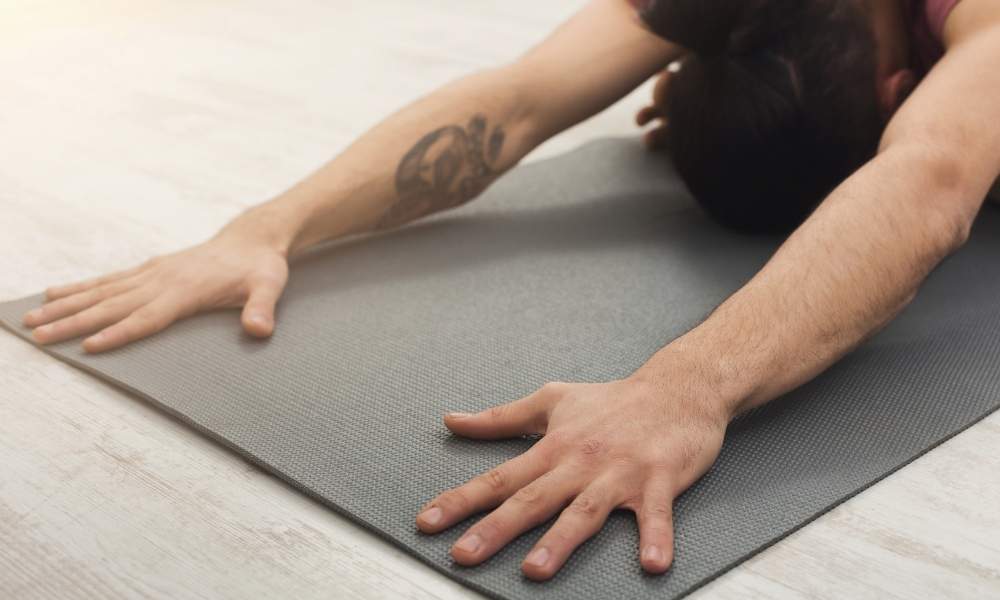

Healthy Detachment in Recovery
If you are in recovery, from addiction, alcohol use, or a mental health condition, you have probably already sensed that this is about more than not using or managing symptoms. It is about your relationship with people, with control, with approval, and with your own feelings. Healthy detachment is one of the skills that makes the difference.
Healthy detachment is the practice of caring deeply without letting anything, a person, a substance, an outcome, control your peace or define who you are. It is not coldness, and it is not giving up. For people in recovery, it is often the missing piece, because so much of addiction and emotional struggle is rooted in unhealthy attachment.
New Wave Recovery Center is a family-owned outpatient treatment center in Salisbury, Massachusetts, founded by people in long-term recovery. We wrote this guide for you: the person doing the work. Across five chapters, we explain what detachment really means, why recovery and attachment are so deeply linked, and exactly how to practice letting go, with self-compassion and without shame.




Who This Guide Is For
This guide is written for you if you are:
- In recovery from addiction or alcohol use disorder and learning to live differently
- Working through a mental health condition like anxiety, depression, or trauma
- Noticing that you attach hard, to people, approval, or control, and it hurts
- Exhausted from trying to manage other people’s feelings or outcomes
- Wondering whether what you feel is healthy detachment or emotional numbness
Wherever you are in the process, you do not have to navigate it alone. Let’s start with what detachment actually means, and why it matters so much in recovery.
What Is Healthy Detachment?
Five short chapters. Read it in order, or jump to the one you need.
Guide Overview
Start here for the whole picture.
You are here
What the word actually means in recovery.
Why letting go of the outcome works.
Practical steps for a specific person.
Boundaries without abandonment.
Telling a skill apart from numbing.
Care that feels different
We were founded by people in long-term recovery, so the way we treat you comes from having been where you are. That shows up in everything we do.
Founded by people in recovery
When you call New Wave, you talk to someone who has walked this path, not a call center. This is personal for us.
The same therapist throughout
You keep your private therapist as you move between levels of care, so your progress is never interrupted and you never start over.
Holistic care, every day
Reiki, yoga, sound healing, and mindfulness are woven into daily treatment alongside evidence-based therapy, not offered once in a while.
Healthy Detachment FAQs
Want to talk to a real person? Call us, someone in recovery will answer.
What is healthy detachment?
Healthy detachment means caring about people and outcomes without letting them control your peace. In recovery, it is the skill of staying connected and compassionate while releasing the need to control, fix, or be defined by another person or a substance. It is a learned skill, not coldness or indifference.
Why is detachment important in addiction and mental health recovery?
Many people in recovery struggle with unhealthy attachment, to substances, to people, to approval, or to the need for control. Learning healthy detachment helps you loosen those grips, sit with discomfort without escaping it, and build a life that does not depend on any one person or substance to feel okay.
Is detachment the same as not caring?
No. Healthy detachment is not about caring less, it is about caring without losing yourself. You can love people and value outcomes while letting go of the need to control them. That distinction is at the heart of long-term recovery.
What is the difference between healthy and unhealthy detachment?
Healthy detachment is a conscious boundary that protects your wellbeing while keeping you connected. Unhealthy detachment, like emotional numbing, avoidance, or dissociation, shuts feelings down entirely, and it often shows up alongside the unhealthy attachment patterns common in addiction and mental health struggles.
Can detachment be learned in recovery?
Yes. Detachment is a skill you can build with practice and support. This guide walks through what it means, why people in recovery often struggle with attachment, and concrete steps to detach from a person or pattern, with self-compassion.
Is this guide a substitute for treatment?
No. This guide is for education and support. If you are in recovery, struggling with emotional numbness, or finding that attachment patterns are keeping you stuck, working with a licensed professional can help. We are always here if you would like to reach out.
In-Network Coverage Varies by Plan. Let's See If Yours Is a Match
We’ll verify your benefits and have an honest conversation about whether our program is the best match for your stage of recovery. And if we’re not the right fit for your journey, we won’t leave you guessing. We’ll help you find the place that is. Because we’ve been where you are, our only goal is getting you to the care that works.






You Don't Have to Do This Alone
Recovery is hard, and learning to let go is part of it. New Wave is here. Call and talk to someone who has been there.
- 100% Confidential
- Free Assessment
- No Commitment
- You'll talk to someone in recovery
In a crisis? If you or someone you love is in immediate danger, call or text 988 (Suicide & Crisis Lifeline) or call 911.