
How to Detach From Someone
In recovery, certain relationships can pull you off course, a person you use with, someone you cannot stop thinking about, a connection that feeds old patterns. Here are practical, compassionate steps to emotionally detach from a person without shutting down your heart.
Medically reviewed by Danielle Visone, Mental Health Counselor and Clinical Director at New Wave Recovery Center. This guide is for education and support; it is not a substitute for personalized care.

Why Detaching Matters in Recovery
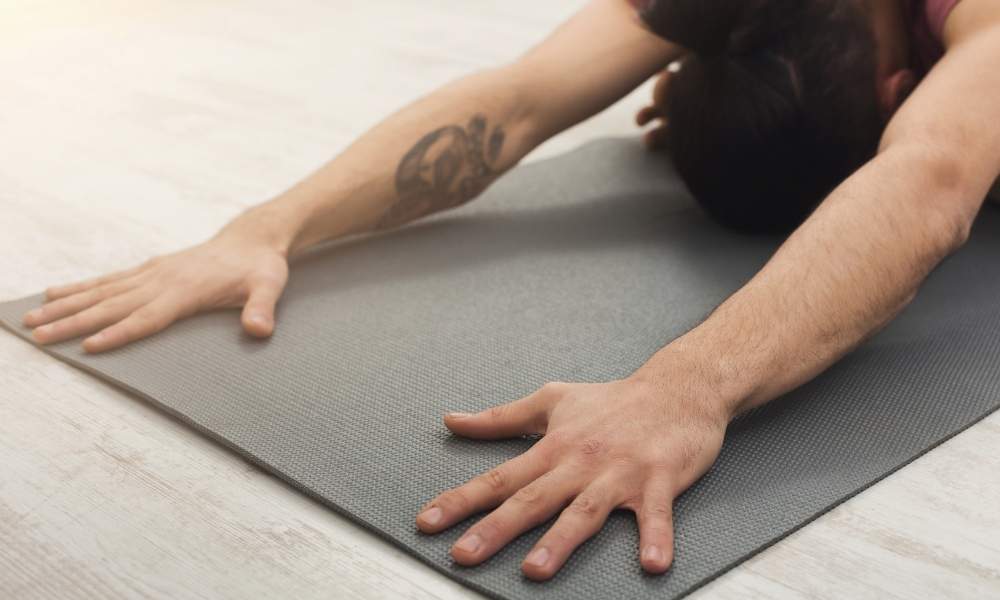
Relationships are powerful, and in early recovery they can be the difference between staying well and slipping back. The people we are most attached to shape our moods, our choices, and our sense of who we are. When that attachment is healthy, it supports us. When it is not, it can quietly undermine everything we are working for.
This is not about blaming anyone. It is about honesty. Some connections are tied to the substance, or to a version of you that no longer serves your recovery. Some relationships ask you to be smaller, sicker, or more available than you can afford to be right now. Learning to detach, to take that person out of the center of your nervous system, is sometimes how you protect the new life you are building.



Practical Steps to Detach
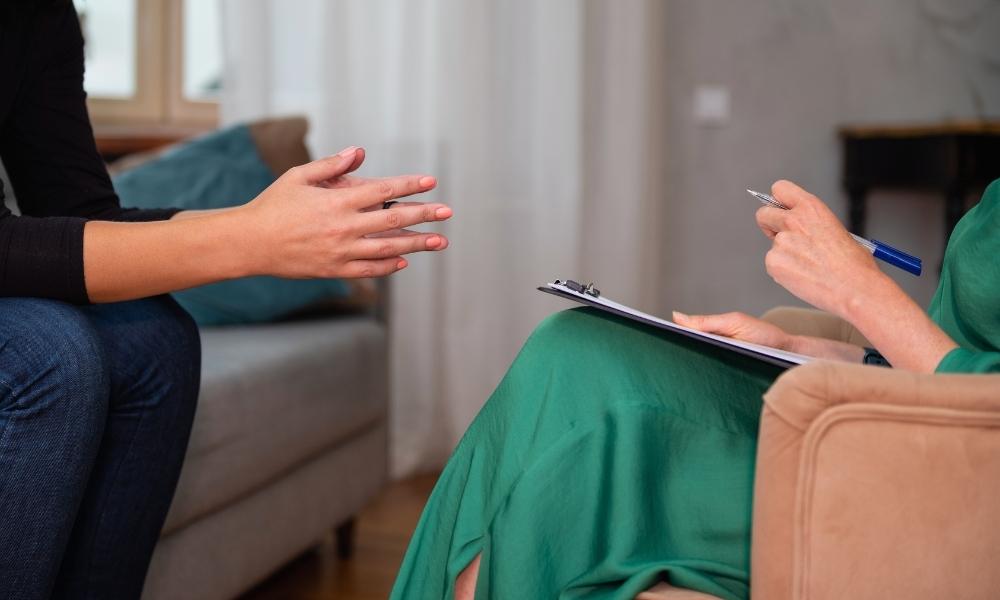
Detaching emotionally is a practice you build over time. These steps work whether you are detaching from a partner, a family member, a friend, or someone you love deeply:
- Name what you are feeling. Detachment starts with honesty. Acknowledge the attachment, and what it is costing your recovery, instead of fighting it.
- Set clear boundaries. Decide what you will and will not engage with, and hold it gently but firmly.
- Limit the input. Reduce contact, including the constant checking of messages or social media, that keeps the person at the center of your mind.
- Redirect your focus. Pour the energy you spent on them into your recovery, your health, your goals, your support network.
- Stop trying to control or fix. Release the urge to manage their choices or rescue them, especially if their struggles trigger yours.
- Use your recovery tools. Cravings to reconnect work like any other craving: urge-surf them, call your sponsor or a friend, and let the wave pass.
- Lean on support. Talk to people who understand, whether a support group, a therapist, or your recovery community.
- Be patient with yourself. Detachment is rarely linear. Some days will be harder than others, and that is normal.
Detaching From Someone You See Every Day
Detaching is hardest when the person is woven into your daily life, a partner, a family member, a roommate, or someone you message constantly. In these cases, the constant input itself is the attachment, so changing the pattern matters more than changing your feelings.
Start small. Lengthen the time before you reply. Move conversations off constant channels. Build new routines, especially recovery routines, that do not revolve around them. You are not punishing them or yourself; you are gently retraining your nervous system to feel safe without that constant connection. This is the same skill you use with cravings: the urge spikes, then it passes, and each time it passes a little easier.
You do not have to detach perfectly or all at once. Every small boundary you hold is a step toward getting your peace, and your recovery, back.


Detaching From Someone You Love
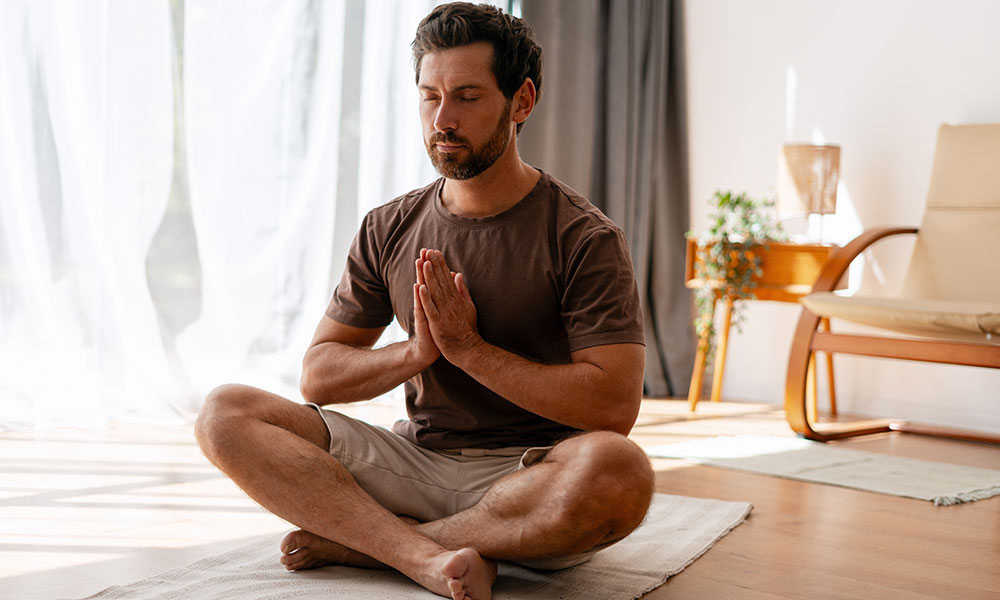
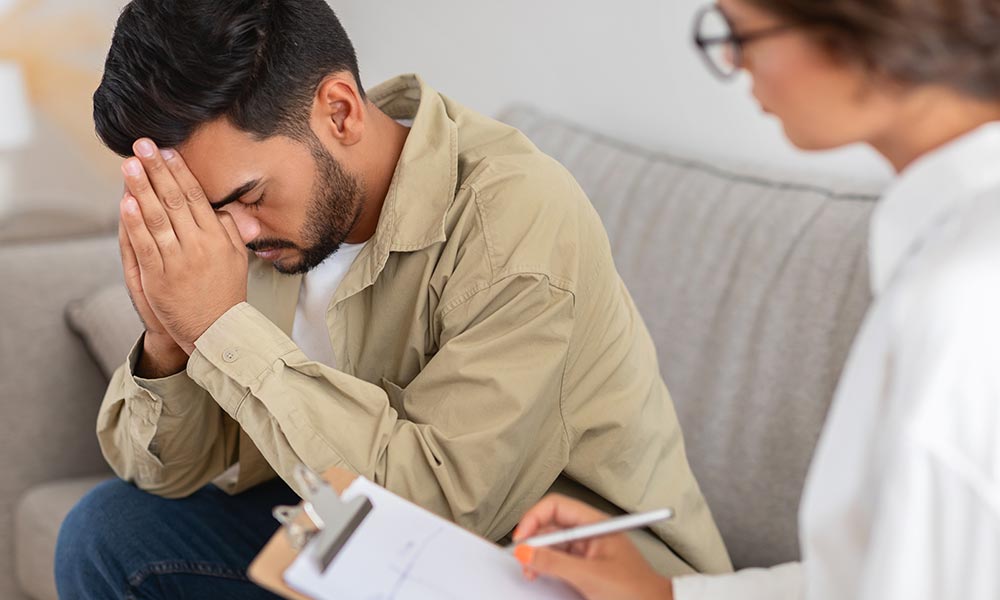
Sometimes the person you most need space from is someone you love deeply. This is some of the hardest work in recovery, and it deserves compassion, not shame. Loving someone does not obligate you to stay attached in a way that endangers your wellbeing.
Detaching from someone you love is not the same as not loving them. It means releasing the need to control their choices, to be their everything, or to earn your worth through them, while protecting the recovery that lets you love anyone well. Often the love remains; what changes is the grip. You can care about someone and still decide that, for now, you need distance to heal.
Detaching With Love, Not Anger
Many people assume detaching means cutting someone off cold. But the healthiest detachment often happens with love, releasing your grip without slamming the door. This matters especially when the person is family, or someone also in recovery whom you do not want to abandon.
Detaching with love lets you protect your wellbeing while keeping compassion alive, for them and for yourself. It is its own skill, and it deserves its own chapter. Continue to Chapter 4: How to Detach With Love →

What Is Healthy Detachment?
Five short chapters. Read it in order, or jump to the one you need.
What the word actually means in recovery.
Why letting go of the outcome works.
Chapter 3: How to Detach From Someone
Practical steps for a specific person.
You are here
Boundaries without abandonment.
Telling a skill apart from numbing.
Care that feels different
We were founded by people in long-term recovery, so the way we treat you comes from having been where you are. That shows up in everything we do.
Founded by people in recovery
When you call New Wave, you talk to someone who has walked this path, not a call center. This is personal for us.
The same therapist throughout
You keep your private therapist as you move between levels of care, so your progress is never interrupted and you never start over.
Holistic care, every day
Reiki, yoga, sound healing, and mindfulness are woven into daily treatment alongside evidence-based therapy, not offered once in a while.
How to Detach FAQs
Want to talk to a real person? Call us, someone in recovery will answer.
How do I detach from someone?
Start by naming the attachment honestly, setting clear boundaries, limiting contact and input, redirecting your energy into your recovery and your own life, and letting go of the urge to control or fix the person. Detachment is a gradual practice, not an instant switch.
How do I detach from someone I love deeply?
Detaching from someone you love does not mean you stop loving them. It means releasing the need to control their choices or earn your worth through them, while protecting the recovery that lets you love well. Often the love remains; what changes is the grip.
How do I detach from someone I see or talk to every day?
When someone is part of your daily routine, the constant contact is the attachment. Gradually lengthen your response times, move off constant channels, and build new recovery routines that do not revolve around them. Treat the urge to reconnect like any craving: it spikes, then passes.
How do I mentally detach from someone without them knowing?
Focus on your own internal shifts: set quiet boundaries, limit how much you check in on them, and redirect your attention to your recovery. You do not owe anyone an announcement; detachment is primarily an inside job.
How long does it take to emotionally detach from someone?
There is no fixed timeline. It depends on the relationship, the history, and how much contact continues. Be patient with yourself; detachment is rarely linear, and setbacks are normal.
Is it healthy to detach from someone in recovery?
Yes, when a relationship is pulling you back toward old patterns or endangering your wellbeing, creating distance can protect your recovery. Healthy detachment lets you do this with compassion rather than cruelty.
In-Network Coverage Varies by Plan. Let's See If Yours Is a Match
We’ll verify your benefits and have an honest conversation about whether our program is the best match for your stage of recovery. And if we’re not the right fit for your journey, we won’t leave you guessing. We’ll help you find the place that is. Because we’ve been where you are, our only goal is getting you to the care that works.






Let Us Help You Find Steadier Ground
If detaching from someone is tangled up with your recovery, we understand, and we can help. Call and talk to someone who has been there.
- 100% Confidential
- Free Assessment
- No Commitment
- You'll talk to someone in recovery
In a crisis? If you or someone you love is in immediate danger, call or text 988 (Suicide & Crisis Lifeline) or call 911.