Outpatient drug & alcohol rehab · Salisbury, Massachusetts
When you call, you talk to someone in recovery
Conditions we treat

Bipolar Disorder Treatment

Bipolar disorder brings intense shifts in mood and energy that can feel impossible to manage, especially when substance use is involved. At New Wave in Salisbury, MA, we treat bipolar disorder alongside addiction with coordinated, whole-person care.

Why Massachusetts is especially suited for enjoyable alcohol-free activities due to the plethora of options created by the state's natural beauty and cultural depth
Understanding it

Understanding Bipolar Disorder

Bipolar disorder involves significant shifts in mood, energy, and activity, from emotional highs known as mania or hypomania to deep lows of depression. These shifts go well beyond ordinary mood changes and can disrupt relationships, work, and daily life. With the right treatment, however, bipolar disorder can be managed well.

Bipolar disorder and substance use very frequently occur together. Some people use substances to manage the highs or lows, and substance use can intensify mood episodes and make the condition harder to stabilize. This makes coordinated dual-diagnosis treatment especially important.

new wave recovery believes in healing the whole person through mindfulness techniques and therapy.
PHP at new wave recovery may include yoga into your daily routine.
new wave recovery futlizes holistic therapies in addition to addiction treatment.
Why it happens

What Causes Bipolar Disorder?

Bipolar disorder is a brain-based condition shaped by genetics and life experience.

Bipolar disorder has a strong biological and genetic basis. It involves differences in brain structure and chemistry that affect how mood and energy are regulated, which is why it tends to run in families. It is a medical condition, not a personality flaw or a matter of self-control.

While the underlying vulnerability is biological, life factors influence how it shows up. Significant stress, trauma, sleep disruption, and substance use can all trigger mood episodes or make them more severe. Understanding these triggers is a key part of managing bipolar disorder well over the long term.

Knowing the signs

Signs and Symptoms of Bipolar Disorder

Bipolar disorder involves shifts between emotional highs and lows that go beyond ordinary mood changes. Signs include:

If these patterns feel familiar, a proper assessment can bring clarity, and effective treatment can bring stability.

therapies at new wave are conbined with mindfulness techniques for maximum effectiveness.
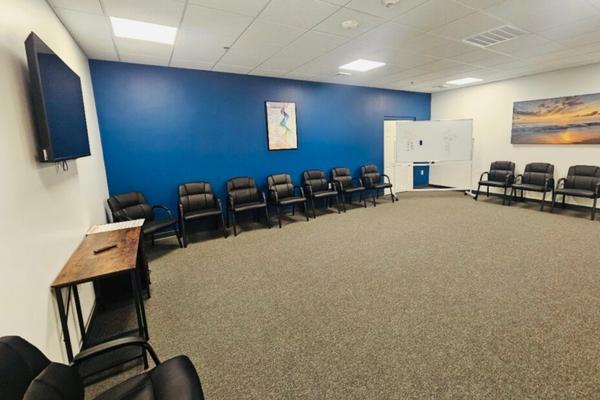
Healing Class Room New Wave Recovery
The deeper link

How Addiction Influences Bipolar Disorder

Bipolar disorder and substance use very frequently occur together, and each destabilizes the other.

Substance use is especially common with bipolar disorder. Some people use substances to amplify or extend the highs, others to numb the crushing lows. But alcohol and drugs destabilize mood, trigger episodes, interfere with medications, and make the condition far harder to manage. The result is a cycle where substance use and mood instability intensify one another.

This makes integrated, dual-diagnosis treatment essential. At New Wave, we treat bipolar disorder and substance use together rather than separately, coordinating medication, therapy, and structure so both can stabilize at once. When substance use is part of the picture, our addiction treatment is fully integrated with your bipolar care.


relapse prevention and ongoing support is an important part of new wave recovery's plan

Therapies That Work Best for Bipolar Disorder

Stability comes from combining medication, therapy, skills, and structure.

The approaches we find most effective for bipolar disorder include:

Medication management to stabilize mood, carefully overseen

CBT to recognize early warning signs of episodes

DBT for managing intense emotions and impulsivity

Individual therapy to build steady routines and insight

Mindfulness and yoga to regulate stress and sleep

Family therapy to build understanding and support

With coordinated care and the same therapist throughout, stability becomes sustainable.

new wave recovery differentiates itself by holistic therapies that treat the whole person.
evidence-based therapies help build healthier patterns in life as you continue recovery.
Tools for stability

Coping Skills for Bipolar Disorder

Daily habits and self-awareness are powerful protectors of mood stability.

Skills that help manage bipolar disorder include:

These habits, practiced with support, help keep mood steadier and episodes less frequent.

addict treatment programs utilize group therapy settings to allow for shared experiences to inform healing.
new wave recovery focuses on holistic care along with evidence-based addiction therapies.
How we help

How We Treat Bipolar Disorder

Stability built through therapy, skills, structure, and coordinated care.

Treating bipolar disorder well usually combines medication management with therapy and healthy structure. At New Wave, our medical team coordinates medication while therapies like CBT and DBT help you recognize early warning signs, manage intense emotions, and build the steady routines that support stability.

Because substance use can destabilize bipolar disorder, we treat both together rather than separately. Daily holistic care and consistent support help regulate mood and stress, and working with the same therapist over time means someone always has the full picture of how you are doing.

How we treat it

Your Path Through Treatment

We meet you at the right level of care and adjust as you grow stronger, with the same therapist throughout and holistic healing every day.

1

Step 1: Detox

We connect you with a trusted detox partner, then welcome you back.

2

Step 2: PHP / Day Treatment

Our most supportive outpatient level.

3

Step 3: IOP

Flexible day and evening care.

4

Step 4: Relapse Prevention

Ongoing outpatient support.

Mental health we treat

Co-Occurring Conditions We Treat

We treat mental health conditions alongside substance use. Explore the co-occurring conditions we treat:

Co-occurring conditions treated alongside addiction.

Treated alongside substance use.

Treated alongside substance use.

Bipolar Disorder

Dual-diagnosis support.

You are here

Trauma-informed dual-diagnosis care.

The New Wave difference

Care that feels different

We were founded by people in long-term recovery, so the way we treat you comes from having been where you are. That shows up in everything we do.

Founded by people in recovery

When you call New Wave, you talk to someone who has walked this path, not a call center. This is personal for us.

The same therapist throughout

You keep your private therapist as you move between levels of care, so your progress is never interrupted and you never start over.

Holistic care, every day

Reiki, yoga, sound healing, and mindfulness are woven into daily treatment alongside evidence-based therapy, not offered once in a while.

Care from people who understand

Meet the People Behind Your Recovery

Our licensed clinicians and team, many in long-term recovery themselves, are who you will work with at New Wave.

Angela Faccone

Angela Faccone

Co-Founder & Program Director

Charles Draleau

Charles Draleau

Executive Director

Melanie Draleau

Melanie Draleau

Co-Founder & Reiki Practitioner

Dr. Faith A. Coleman, MD

Ryan SmithBratton

Co-Founder & Director of Community Outreach

Danielle Visone

Danielle Visone

Mental Health Counselor & Clinical Director

In their own words

Recovery That People Remember

Questions, answered

Bipolar Disorder Treatment FAQs

Want to talk to a real person? Call us, someone in recovery will answer.

Do you treat bipolar disorder in Massachusetts?

People in recovery, helping people in recovery

In-Network Coverage Varies by Plan. Let's See If Yours Is a Match

We’ll verify your benefits and have an honest conversation about whether our program is the best match for your stage of recovery. And if we’re not the right fit for your journey, we won’t leave you guessing. We’ll help you find the place that is. Because we’ve been where you are, our only goal is getting you to the care that works.

New Wave Accepts BlueCross BlueShield Insurance
New Wave Accepts United Healthcare Insurance
New Wave Accepts Cigna Insurance
New Wave Accepts Aetna Insurance
New Wave Accepts Harvard Pilgrim
New Wave Accepts WellSense
Ready when you are

Take the First Step Today

Bipolar disorder can be managed, and life can feel steady again. Call and talk to someone who understands.

If you or someone you love is in crisis, call or text 988, or call 911.

In a crisis? If you or someone you love is in immediate danger, call or text 988 (Suicide & Crisis Lifeline) or call 911.