Opioid Addiction Treatment
Opioid addiction is one of the most powerful and dangerous forms of substance use, and one of the most treatable with the right support. At New Wave in Salisbury, MA, we treat opioid use disorder with proven therapy and daily holistic care, led by people who understand.
Understanding Opioid Addiction
Opioids, including heroin, fentanyl, and prescription painkillers like oxycodone, change the brain quickly and profoundly. Opioid use disorder is not a matter of willpower; it is a medical condition driven by real changes in brain chemistry, which is why stopping feels nearly impossible without support. If you are struggling, you are not weak, and you are not alone.
Opioid addiction also carries serious risk, especially with fentanyl now present in so much of the drug supply. The most important thing to know is that recovery is absolutely possible, and reaching out is the first and bravest step.
What Causes Opioid Addiction?
Opioid use disorder develops through a mix of biology, circumstance, and exposure, not weakness.
Opioids work by flooding the brain with dopamine and binding to receptors that control pain and reward. With repeated use, the brain adapts, producing less of its own feel-good chemicals and demanding the drug just to feel normal. This is why opioid addiction takes hold so fast and feels so physically impossible to escape; it is a change in brain chemistry, not a lack of discipline.
Many paths lead here. Some people are first prescribed opioids after surgery or an injury and find themselves dependent before they realize it. Others turn to opioids to numb untreated trauma, anxiety, or depression. Genetics, chronic pain, early-life stress, and environment all raise the risk. Understanding your particular path matters, because lasting recovery means treating the cause, not just the symptom.
Signs and Symptoms of Opioid Addiction
Opioid addiction can be hard to see at first, especially when it begins with a prescription. Common signs include:
- Needing more of the drug to get the same effect (tolerance)
- Withdrawal symptoms, nausea, aches, anxiety, when not using
- Using more, or longer, than intended
- Spending a lot of energy getting, using, or recovering from opioids
- Neglecting responsibilities, relationships, or interests
- Wanting to stop but feeling unable to
If several of these feel familiar, in yourself or someone you love, it is worth reaching out. Opioid addiction is treatable, and early help makes recovery easier.
Opioids and Mental Health
Opioid addiction and mental health conditions are deeply intertwined, and treating one without the other rarely works.
Opioids are often used, knowingly or not, to self-medicate emotional pain. People living with depression, anxiety, or unresolved trauma may find that opioids briefly quiet their symptoms, which makes the cycle of use much harder to break. Over time, opioid use also worsens these very conditions, deepening depression and anxiety and creating a loop where each problem feeds the other.
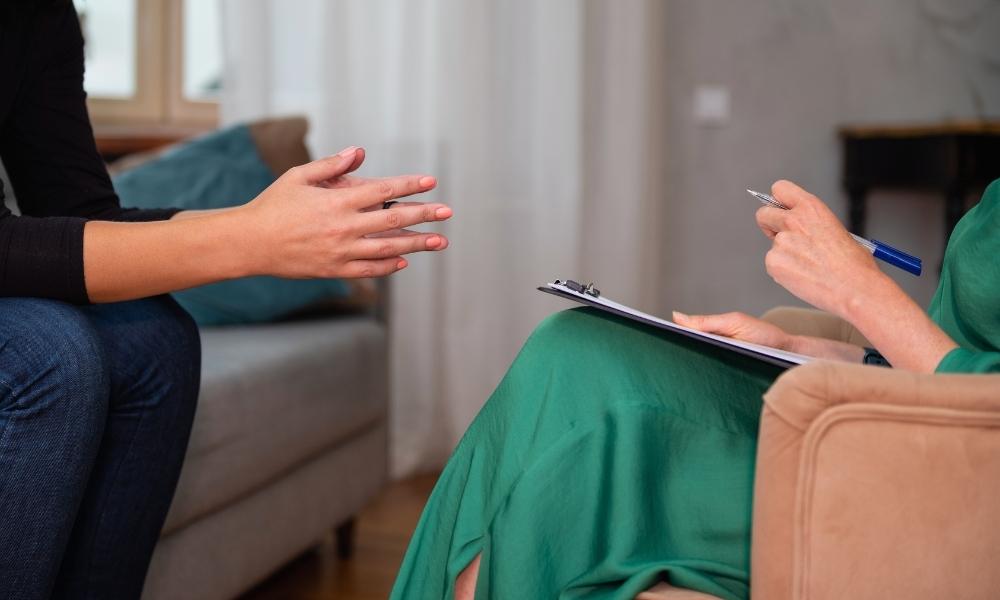
This is why New Wave treats opioid addiction and any co-occurring mental health condition together, as a dual diagnosis. When we address the underlying depression, anxiety, or trauma at the same time as the addiction, recovery has a real foundation to stand on. Our work on mental health runs right alongside opioid treatment.
Therapies That Work Best for Opioid Recovery
At New Wave, opioid recovery blends proven clinical therapy with daily holistic care.
The approaches we find most effective for opioid use disorder include:
CBT to change the thoughts and triggers that drive use
DBT to manage cravings and intense emotions without using
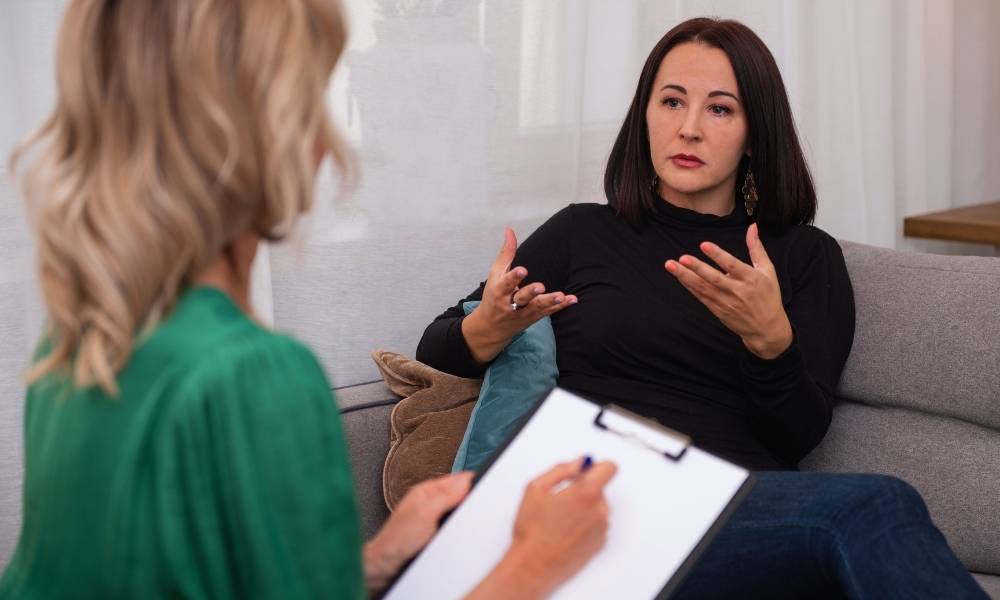
Individual therapy to treat trauma and the roots of addiction
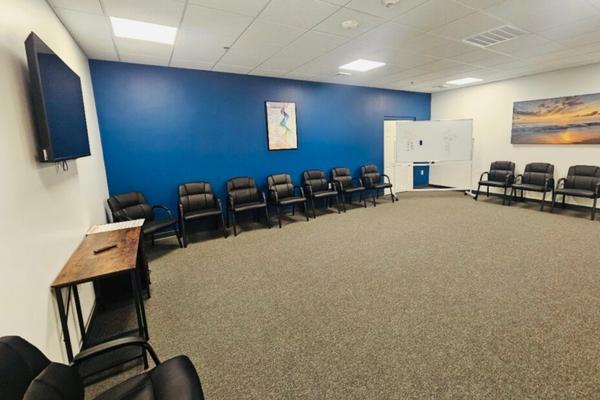
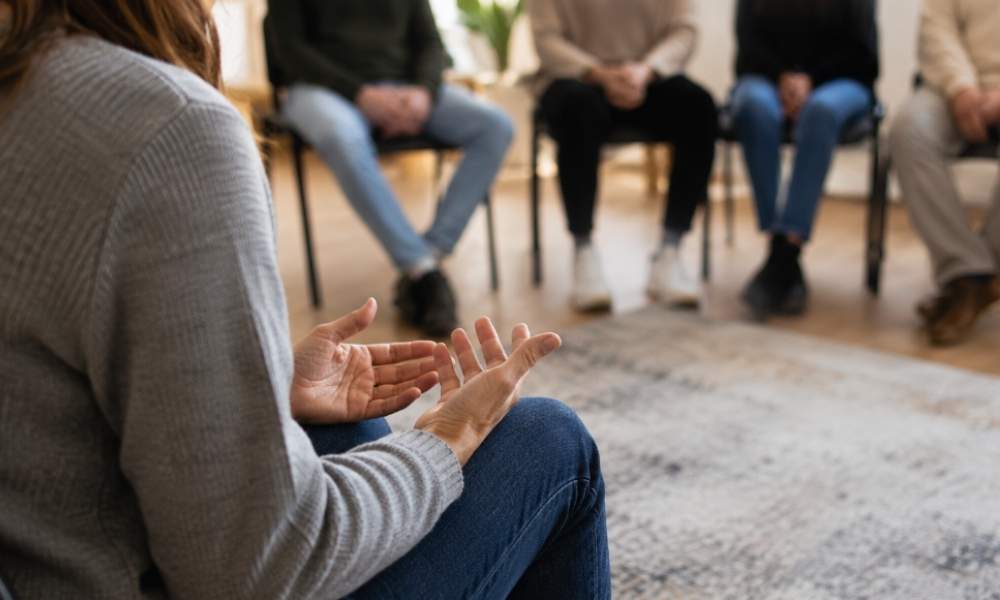
Group therapy for connection and accountability
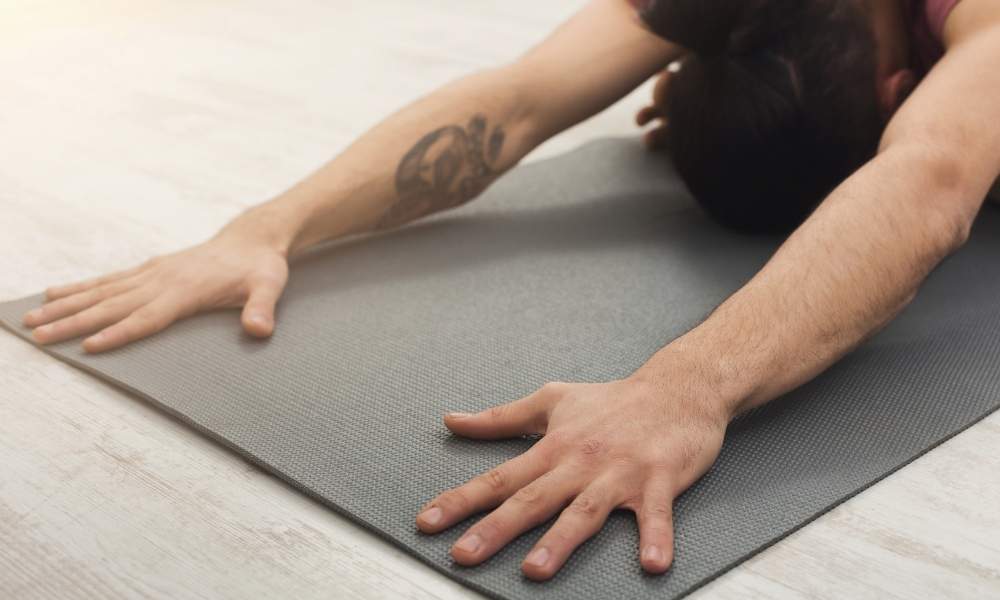
Mindfulness and yoga to calm a nervous system in distress
Medication management when it supports your recovery
Your plan is built around you, and you keep the same therapist through every level of care.
Coping Skills for Opioid Cravings
Cravings are temporary, and they can be ridden out. We teach practical skills to get through them.
Skills that help in opioid recovery include:
- Urge surfing, riding a craving like a wave until it passes
- Identifying and avoiding personal triggers
- Grounding and breathing techniques for moments of overwhelm
- Reaching out to a sponsor, peer, or therapist instead of isolating
- Building structure and healthy routines into each day
- Using mindfulness to create space between urge and action
These are the same tools you will practice every day in treatment, until they become second nature.
How We Treat Opioid Addiction
Recovery from opioids reaches both the body and the underlying pain.
At New Wave, opioid recovery starts with understanding your whole story. Many people who struggle with opioids began with legitimate pain or are carrying untreated trauma, anxiety, or depression. We treat those alongside the addiction through evidence-based therapy like CBT and DBT and daily holistic care that helps calm a nervous system in distress.
Because opioid withdrawal is intense, most people begin with medically supervised detox before stepping into our outpatient programs. From there, you move through the right level of care with the same therapist beside you, building the skills and support that protect long-term recovery.
What About Detox?
Withdrawal from some substances can be dangerous and should be medically supervised. Please do not try to stop on your own. Reach out and we will help you find safe, medically supervised detox.
New Wave does not provide detox on site, but we connect you with a trusted partner in Massachusetts and welcome you back to begin treatment once you are stable. Learn more about detox →
Your Path Through Treatment
We meet you at the right level of care and adjust as you grow stronger, with the same therapist throughout and holistic healing every day.
1
Step 1: Detox
We connect you with a trusted detox partner, then welcome you back.
Addictions We Treat
We care for the full range of substance use disorders. Explore the others we treat.
Opioid Addiction
Focused care for opioid use disorder.
You are here
Care that feels different
We were founded by people in long-term recovery, so the way we treat you comes from having been where you are. That shows up in everything we do.
Founded by people in recovery
When you call New Wave, you talk to someone who has walked this path, not a call center. This is personal for us.
The same therapist throughout
You keep your private therapist as you move between levels of care, so your progress is never interrupted and you never start over.
Holistic care, every day
Reiki, yoga, sound healing, and mindfulness are woven into daily treatment alongside evidence-based therapy, not offered once in a while.
Meet the People Behind Your Recovery
Our licensed clinicians and team, many in long-term recovery themselves, are who you will work with at New Wave.
Angela Faccone
Co-Founder & Program Director
Charles Draleau
Executive Director
Melanie Draleau
Co-Founder & Reiki Practitioner
Ryan SmithBratton
Co-Founder & Director of Community Outreach
Danielle Visone
Mental Health Counselor & Clinical Director
Recovery That People Remember
Opioid Treatment FAQs
Want to talk to a real person? Call us, someone in recovery will answer.
Do you treat opioid addiction in Massachusetts?
Do I need detox before opioid treatment?
Is opioid addiction treatable?
Do you treat the causes behind opioid use?
Is opioid treatment covered by insurance?
What if I have already tried treatment before?
Keep Learning
Helpful, judgment-free articles on recovery, treatment, and supporting the people you love.
In-Network Coverage Varies by Plan. Let's See If Yours Is a Match
We’ll verify your benefits and have an honest conversation about whether our program is the best match for your stage of recovery. And if we’re not the right fit for your journey, we won’t leave you guessing. We’ll help you find the place that is. Because we’ve been where you are, our only goal is getting you to the care that works.
Take the First Step Today
Opioid addiction is treatable, and help is here. Call and talk to someone who understands.
If you or someone you love is in crisis, call or text 988, or call 911.
- 100% Confidential
- Free Assessment
- No Commitment
- You'll talk to someone in recovery
In a crisis? If you or someone you love is in immediate danger, call or text 988 (Suicide & Crisis Lifeline) or call 911.