

Key Points
- Prescription Basics: Methocarbamol is a centrally acting muscle relaxant used to provide relief from muscle spasms and pain often caused by injuries like strains.
- Addiction Potential: While not classified as highly addictive by the DEA, improper use of this drug can lead to it becoming habit-forming and causing dependency.
- Dependence vs. Addiction: It is essential to distinguish between physical dependence, where the body adapts, and psychological addiction, where use becomes compulsive despite negative consequences.
- Risk Factors: Individuals with a history of substance abuse may be more susceptible to side effects or misuse when taking medications that affect the CNS.
- Seeking Help: Professional assistance should be sought if an individual finds it difficult to stop use or if medication concerns are interfering with their recovery.
Is Methocarbamol Addictive? What You Need to Know
It is completely normal for someone to be concerned about the potential long-term risks of methocarbamol, particularly when people are trying to recover from an injury or medical condition and are dealing with pain, or are recently diagnosed with substance abuse. At New Wave Recovery, we want you to know we are here to answer your questions with compassion and respect. Having easy access to correct and complete information will help you alleviate fear and make informed decisions regarding your health. Contact us for support regarding your medications or to inquire about substance use disorder assessments through our holistic treatment programs.
Methocarbamol: What Is It?
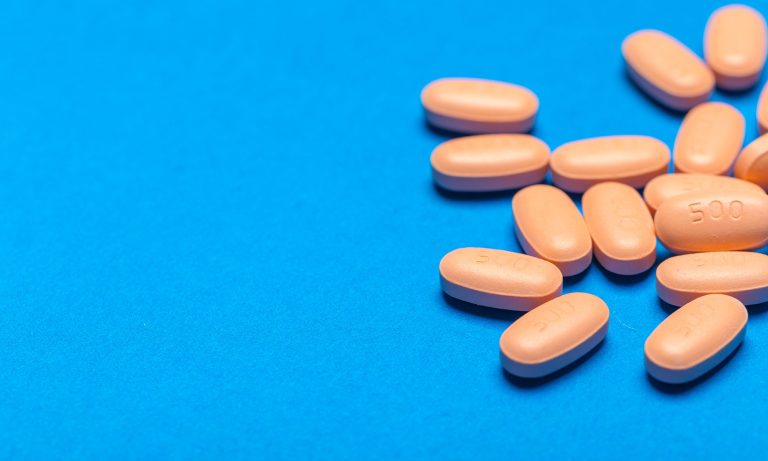
Methocarbamol (brand name: Robaxin) is a prescription drug available as oral tablets, prescribed to help relieve discomfort and discomfort due to muscle pain and muscle spasms [1]. Methocarbamol is typically prescribed for short-term use; i.e., for muscle strain, sprain, or injury, as a means of protecting those who are trying to rehabilitate from using narcotics.
Methocarbamol is classified as a centrally acting skeletal muscle relaxant, meaning it works through the central nervous system (CNS, the brain and spinal cord) by calming or lessening the stimulation of the nerves [2]. Typical uses of methocarbamol include: musculoskeletal conditions, acute muscle spasms, musculoskeletal conditions, back pain, aiding recovery from injuries related to the skeletal system, and providing short-term pain relief through rest or physical therapy [3]. The Drug Enforcement Agency (DEA) considers methocarbamol to be a legal medication when prescribed correctly by a physician as part of a treatment plan for specific conditions.
People often have the same legal questions about similar medications, such as whether cyclobenzaprine is a controlled substance, since both are muscle relaxants that are not federally scheduled.
Are There Any Risks to Being Addicted to Methocarbamol?
Compared to other medications and drugs, the DEA will not categorize methocarbamol as an addictive drug, nor can it be classified as a highly addictive drug. Methocarbamol does not have high potential to cause intense positive responses or cravings typically found in other addictive substances (i.e., opioids, benzodiazepines, alcohol).
Nevertheless, it is possible for Methocarbamol to be used improperly/abused/used in a manner that causes a psychological dependence or addiction. Some individuals who misuse or take Methocarbamol over a prolonged period of time (e.g., for pain related to an injury, rather than other reasons) may subsequently develop an addiction. It is essential that individuals understand the differences between addiction, dependence, and misuse [4], so they can make informed choices about whether they should use Methocarbamol.

Physical Dependence vs. Psychological Addiction
Physical dependence vs psychological addiction: what they are, how they happen, and what the difference is:
- Physical Dependence: This occurs when the body adapts to a medication over time. If the medication is stopped suddenly, a person may experience discomfort or withdrawal-like symptoms [5].
- Psychological Addiction: This describes a pattern of compulsive use despite negative consequences, including cravings and loss of control.
While methocarbamol does not strongly activate reward pathways, its sedative effects can lead some individuals to rely on it habitually, especially if they are using it to manage stress or sleep rather than muscle pain.
Those sedative effects are common across this drug class, which is why many people first ask whether muscle relaxers make you sleepy before understanding how that drowsiness can turn into reliance.
Risk Factors for Dependency and Misuse
People who have misused substances in the past may be more susceptible to common side effects due to medications that affect the CNS. It is important for all individuals, especially those who are in recovery or pursuing outpatient/holistic recovery services, to have honest and open conversations with their physicians.
Signs & Symptoms of Substance Misuse and Dependency
Learning to identify signs and symptoms of increased risk of misuse may help prevent someone from progressing to further, more serious issues related to using methocarbamol.
The following behaviors may support the need to seek medical advice:
- Increasing the dose/amount of methocarbamol taken without the guidance of a medical professional.
- Requesting prescriptions from multiple healthcare professionals for methocarbamol or other medications.
- The combination of methocarbamol with alcohol or other central nervous system depressants to intensify the effects of methocarbamol [6].
On both physical and emotional levels, the following signs and symptoms were present:
- Sleepiness/Extreme dizziness [2].
- Mood changes/Irritability/Cognitive impairment.
- Discomfort/Anxiety when missing a dose of methocarbamol.
If you, or someone that you know, is beginning to show these signs/symptoms, or any of the other negative side effects of methocarbamol use, you should seek the assistance of a medical provider.
Physical cues can offer additional clues, and recognizing signs such as dilated pupils from drugs may help you spot when use has moved beyond what a provider intended.
Medical Risks for Long-term, or Combined Usage of Methocarbamol
The medical risks of misuse or dependency of methocarbamol are serious and could develop with inappropriate and/or combined long-term use of alcohol or other drugs. The impact on the physical body of the misuse of methocarbamol with alcohol will create the following health consequences [1]:
- Respiratory Depression: Caused by the combined use of methocarbamol and alcohol due to a decrease in the rate of respiration and a decrease in oxygen levels in the body [6].
- Reduced Coordination: Increased risk of slips, falls, and/or accidental injury due to the sedative effects of methocarbamol [3].
- Excessive Drowsiness: Increased reduction of activity level and/or decreased energy level due to the sedative effects.
- Impaired State: Leaving an Individual in an impaired state can increase anxiety and/or depression.
In addition to the loss of employment, relationships, and/or accomplishments, individuals are exposed to an increased risk of continuing the same cyclical pattern that causes anxiety and depression as a result of misusing methocarbamol. Consultation with a medical provider is recommended prior to stopping or changing the method of taking Methocarbamol if you have taken it for a prolonged period.
Combining medications always deserves caution, and reviewing something like low-dose naltrexone drug interactions shows why sharing your full medication list with a provider matters.
What are Methocarbamol Withdrawal Symptoms?
Withdrawal from methocarbamol is considered to be infrequent because it is typically only taken for a short time when it is appropriately prescribed [2]. However, individuals who misuse methocarbamol and/or take it for a prolonged period may experience withdrawal symptoms:
- Changes in Mood/Irritability/Anxiety.
- Physical Discomfort/Pain.
- Sleep Problems/Cravings for Methocarbamol.
Symptoms of withdrawal will vary based on each individual’s unique experience. It is important to note that while Methocarbamol withdrawal is not the same as opioid/sedative withdrawal, any person who stops taking methocarbamol should seek advice from their medical provider about safely managing comfort and safety [5].
Safely Use, Prescribe, and Reduce Harm With Methocarbamol
When starting, it is important for him/her to have informed and proactive support with medication management from a Physician.
Checklist to promote the safest method for managing your use of methocarbamol:
- Never exceed what your healthcare provider advises on the dosage instructions.
- Avoid consuming alcohol and/or CNS depressants while taking methocarbamol [1].
- Have a close look at how methocarbamol affects your body and mind, which will help you to manage your pattern of methocarbamol usage.
- Maintain close, ongoing communication with your physician, and specifically try to reach out for assistance when you feel you are out of control with your usage.
Support from others facing similar challenges reinforces safe use, and joining support groups in Massachusetts gives you ongoing encouragement if you are working to cut back or stop.
When to Seek Medical Assistance?
If you or someone you know needs professional assistance regarding the misuse or dependency on methocarbamol, consider the following:
- If you are unable to lessen or stop taking methocarbamol, and/or if you believe you will never be able to stop without assistance.
- If your experience with methocarbamol is for use other than for Pain Relief.
- If the concerns related to methocarbamol are interfering with your recovery or mental health.
New Wave Recovery provides holistic treatment options for recovery, including outpatient and daily/weekday treatment services, all of which utilize evidence-based interventions (practical application of the findings of the best available current research) such as Cognitive Behavioral Therapy (a form of talk therapy that focuses on identifying and changing unhelpful behaviors) and Dialectical Behavioral Therapy (a form of talk therapy that helps people manage intense emotions and behaviors).
FAQs
Is methocarbamol classified as a controlled substance?
No, methocarbamol is not classified as a controlled substance [1]. Methocarbamol is classified as a centrally acting muscle relaxer.
Will long-term use of methocarbamol cause dependency?
All individuals who take methocarbamol purely for its effect of relaxing muscles will typically not experience issues with addiction; however, individuals who misuse methocarbamol will have an increased risk of developing both physical and/or emotional dependence and addiction [5].
What treatment options are available for individuals who become dependent on methocarbamol?
Approximately 10% of individuals who are prescribed methocarbamol are at risk for developing drug abuse/dependency. Users are recommended to seek medical attention and therapeutic services specifically focused on the treatment of substance use disorders.
What should I do if I am taking more methocarbamol than I am supposed to?
Please reach out to your physician immediately and talk to them about what you are experiencing. Honest and open communication can help you to stop the misuse, reduce complications, and assist with promoting safe use.
Is it dangerous to mix methocarbamol with alcohol?
Yes, mixing methocarbamol with alcohol increases both the risk of respiratory depression and the risk of serious physical harm resulting from an accident.
Will methocarbamol change the way my brain functions?
Yes, some users may experience changes in their mood, anxiety, and cognition when combined with other drugs, including using methocarbamol to excess or on top of other drugs that affect the central nervous system [2].
Will I have withdrawal symptoms after stopping methocarbamol?
Withdrawal from methocarbamol does not occur very often when it is used for short-term, medically recommended use. However, for those people who have misused methocarbamol or have used it long-term, they may experience withdrawal symptoms when discontinuing use.
Sources:
[1] U.S. Food and Drug Administration. (2003). Robaxin (methocarbamol tablets, USP) labeling. https://www.accessdata.fda.gov/drugsatfda_docs/label/2003/011011s070s071lbl.pdf
[2] National Center for Biotechnology Information. (2024). PubChem Compound Summary: Methocarbamol. https://pubchem.ncbi.nlm.nih.gov/compound/Methocarbamol
[3] National Library of Medicine. (2023). Methocarbamol: MedlinePlus Drug Information. https://medlineplus.gov/druginfo/meds/a682579.html
[4] Savage, S. R., Kirsh, K. L., & Passik, S. D. (2008). Challenges in using opioids to treat pain in persons with substance use disorders. Addiction Science & Clinical Practice, 4(2), 4–25. https://europepmc.org/article/PMC/2797112
[5] National Institute on Drug Abuse. (2018). Principles of drug addiction treatment: A research-based guide (3rd ed.). National Institutes of Health.
https://nida.nih.gov/sites/default/files/podat-3rdEd-508.pdf
[6] Substance Abuse and Mental Health Services Administration. (2023). Key Substance Use and Mental Health Indicators in the United States. https://www.samhsa.gov/data/report/2023-nsduh-annual-national-report