


Key Points
- A sober living environment can provide stability, relapse protection, and added support during vulnerable stages of recovery.
- Clean and sober living arrangements often include shared rules, responsibilities, and mutual accountability.
- With high housing costs in Massachusetts, especially in Greater Boston and the North Shore, sharing rent and utilities makes sober living more financially manageable.
- Successful arrangements depend on direct communication and clearly defined expectations regarding alcohol, cannabis, medications, guests, and daily routines, ideally documented in a written agreement.
- Verifying rules, accountability systems, and watching for red flags are critical steps in choosing the right living situation.
Why Would Someone Seek Out a Sober Roommate in Massachusetts?
The search for a sober roommate in Massachusetts is often more about avoiding substance use than it is about living with someone who is abstaining from substances. For many individuals, the motivation for finding a sober roommate in Massachusetts is the desire to create an environment at home that encourages a sense of stability, health, and a pathway toward achieving long-term goals.
Recovery Protection/Relapse Protection
Individuals transitioning from detox, residential treatment, or entering a step-down program in their recovery journey may be vulnerable. Having an individual to support the individual while they are living in a clean and sober house can decrease exposure to environmental triggers that may be present in a shared-home environment and may help support the recovery process to prevent relapse from occurring. In addition to having a clean & sober roommate, living in a type of orientation model may provide added structure and may promote accountability, which is another important component of recovery protection. When transitioning from day treatment, half-day treatment, or outpatient programs, a clean & sober roommate may also provide an added layer of support while transitioning and increasing independence.
Structure/Accountability/Community
Many of the commonly available clean & sober living within Massachusetts will focus on establishing overall shared rules and responsibilities/mutual accountability and may include:
- Shared Rule Requirements: Expectations regarding work, chores, curfew, and meeting/employment attendance.
- Mutual Accountability: Even in less formal living establishments, many roommates will create their own standards and establish a community of mutual accountability for protection/preventing isolation and relapse.
Isolation can increase the risk of relapse; therefore, creating a community of sober living may also offer support to have an open discussion surrounding stress, cravings, and setbacks associated with continuing addiction recovery. Because isolation raises relapse risk, pairing a sober home with outside connection helps, and joining support groups in Massachusetts gives you a wider community to lean on.
Financial/Practical Benefits
The cost of housing within the Commonwealth of Massachusetts (specifically, within the Greater Boston Area & North Shore Cities) can be very expensive. By sharing housing with alcohol-free individuals within the Commonwealth of Massachusetts, rents and utility bills can be more manageable. In addition to financial relief, additional relief can also be obtained from sharing responsibilities associated with daily living activities, such as transportation, meal planning, and upkeep of household items.
A Lifestyles Aligned to Values Rather than “No Partying”
Although the majority of individuals searching for clean & sober roommates are doing so with the understanding that they are in the process of overcoming substance use, some individuals are seeking out clean & sober living for the purposes of creating a structured environment in which to focus on achieving health, truth, and objective values.
A stable living situation is especially valuable during the vulnerable early months, including the pink cloud stage when optimism runs high and structure keeps you grounded.
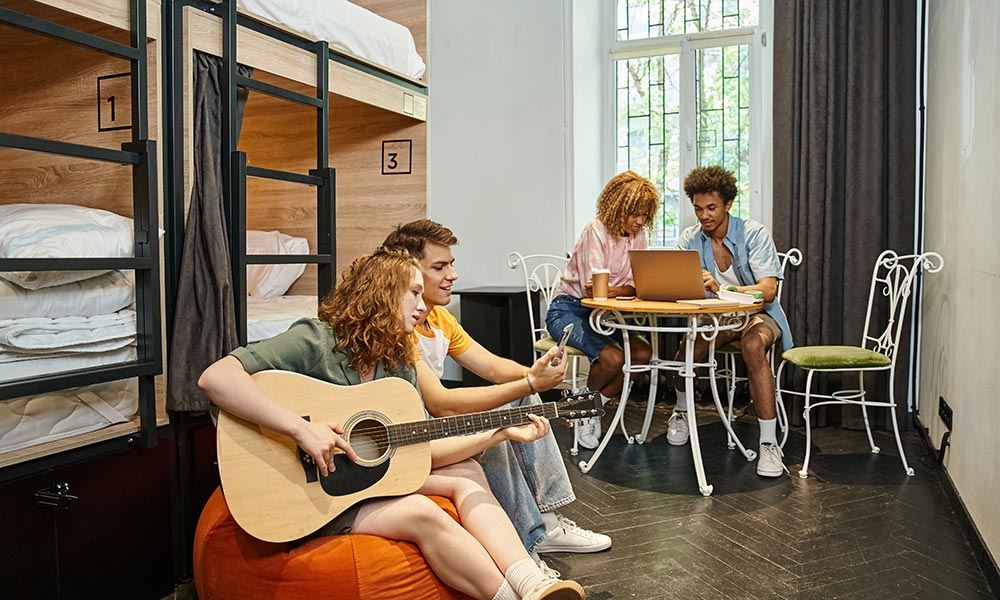
The Meaning of a Clean and Sober Roommate and Clear Communication
“Clean” vs “Sober”: Why People Use Both Terms
The terms “clean” and “sober” are used interchangeably, although for some persons the term “sober” will refer to the individuals abstaining from alcohol, and for others, some individuals may emphasize their use of the term “clean” to indicate that they are also abstaining from any drug/s. However, others still will use the terms collectively to indicate their commitment to living a completely substance-free lifestyle. Each of these definitions creates a disparity; therefore, when discussing the meaning of clean & sober roommates, the best way to have a mutual understanding would be to avoid making assumptions—instead focus on creating a clear agreement between yourself and potential roommates.
The Most Important Practical Definition—House Expectations
A successful agreement is usually ended by creating a written agreement/contract among all potential roommates. Examples of a simple format for an agreement may include:
- Alcohol: Does alcohol use in the home break the agreement?
- Cannabis: What is the agreement of cannabis, specifically, medical marijuana?
- Medication: Are prescription medications or opioid dependency medications to be kept private and confidential?
- Guest Rules: What are the Guest Rules/Regulations, specifically associated with Substance Use?
- Daily Routines: What are the shared expectations of quiet hours, meeting schedules, work schedules, and chore/house duties?
- Setting shared expectations around alcohol is easier when good substitutes are on hand, so knowing your options for zero-proof alcohol in Massachusetts can make an alcohol-free home feel welcoming rather than restrictive.
How You Can Find Sober Roommates/Sober Housing in Massachusetts
To begin the search for clean & sober roommates in Massachusetts, it’s a good idea to start with the Massachusetts Alliance for Sober Housing (MASH), which keeps a directory of approved and certified sober homes.
Generally, certification and approval of the sober home or organization serves as an indicator that the residence in question will meet established safety, responsibility and recovery standards. Unlike the sober living unsanctioned ads, approval of a sober home provides a level of (+) support, as through certified housing, there is oversight, written policy, and regulations, rules, and expectations regarding recovery from substance use.
Use Listing Platforms, Then Verify
Although many websites have available photos, pricing, and general site rules, it is always wise to confirm the details of the listing directly with the house or operator. Requesting written house rules, clarifying costs, and understanding how accountability is handled are the best ways to ensure you’re getting what you expect from the home.
Sober Roommate Matching Platforms
Dedicated sober roommate matching platforms enable those looking for an apartment to share a standard apartment instead of moving into a structured sober living home. Users are generally able to specify their criteria, such as recovery status, preferences, and lifestyle factors. Although these platforms can be helpful, they still require interaction with potential roommates, and users perform careful screening prior to committing to a roommate match.
Ask Your Treatment Team, Alumni Network, or Local Recovery Community
Referrals from addiction treatment providers, outpatient programs, alumni support groups, or local addiction recovery community networks are common ways people find sober roommate options in Massachusetts. If you’re enrolled in an outpatient, day treatment, or half-day treatment program, talk to your care team about what type of recovery-friendly housing options are available to you. Most treatment providers know of sober living options that align with your level of care and offer a safe and supportive living environment.
The same local networks that help you find housing can enrich your daily life too, and exploring sober activities in Massachusetts gives you ways to build routine and connection with roommates.
What to Look for When Choosing a Sober Roommate or Living Situation
Green Flags at the Roommate Level
- Clearly defined and consistently maintained sobriety boundaries.
- Predictable daily routines to reinforce stability.
- Calm, direct communication styles.
- Shared expectations regarding visitors, noise, and finances.
- A willingness to agree upon and write down all roommate agreements.
Green Flags at the Home Level
- Consistently enforced written house rules.
- Accountability practices in place (may vary by residence).
- Safe sleeping arrangements and maintained cleanliness.
- An established process to resolve conflict.
- Proximity to support resource sites, such as recovery meetings and public transportation.
Proximity to recovery-friendly gatherings is a real plus, so it is worth checking out sober events in Massachusetts near any home you are considering.
Red Flags to Look for
- Vague and undefined house rules and expectations for alcohol, cannabis, or guests.
- Pressure to hide substance use or to ignore requests or concerns.
- Unclear or vague payment structures, deposits, or extra fees.
- No defined process for settling disputes or addressing rule violations.
FAQs
Is sober housing the same thing as living with a sober roommate?
No. Sober housing refers to a structured recovery housing environment with rules, as well as oversight. Living with a sober roommate may be in connection with a standard lease.
How can I confirm that a sober house in Massachusetts is reputable?
Confirm that the sober house is included in a certified sober housing directory for Massachusetts and ask for written policies, costs, and accountability practices.
Can I request a sober roommate if I am not in recovery?
Yes. There are many reasons for someone to seek a sober roommate, such as health, religion, or lifestyle. Being transparent about your intentions and motivation will serve you best.
What does “clean and sober” mean in relation to a sober roommate?
It refers to a home or place of habitation in which no illegal or prescription drugs are used; however, definitions can differ from person to person.
What if I’m on medication to treat my opioid use disorder and am worried about being refused housing?
Fair housing laws protect and guarantee the rights of all persons in recovery, including those taking medications to treat their substance use disorder. You are encouraged to contact a recovery support organization in Massachusetts if you believe you are encountering barriers.
How do I quickly find sober roommates in Massachusetts?
Begin by searching for certified sober housing directories, speak with a treatment provider about referrals, and reach out to a sober roommate matching website.
Is sober housing only for persons leaving inpatient treatment in Massachusetts?
No. In Massachusetts, individuals receive support through sober living according to their needs during their treatment, not necessarily only following inpatient treatment.