Dilated Pupils and Drugs: What It Means and What to Do Next


Dr. Faith A. Coleman, MD,
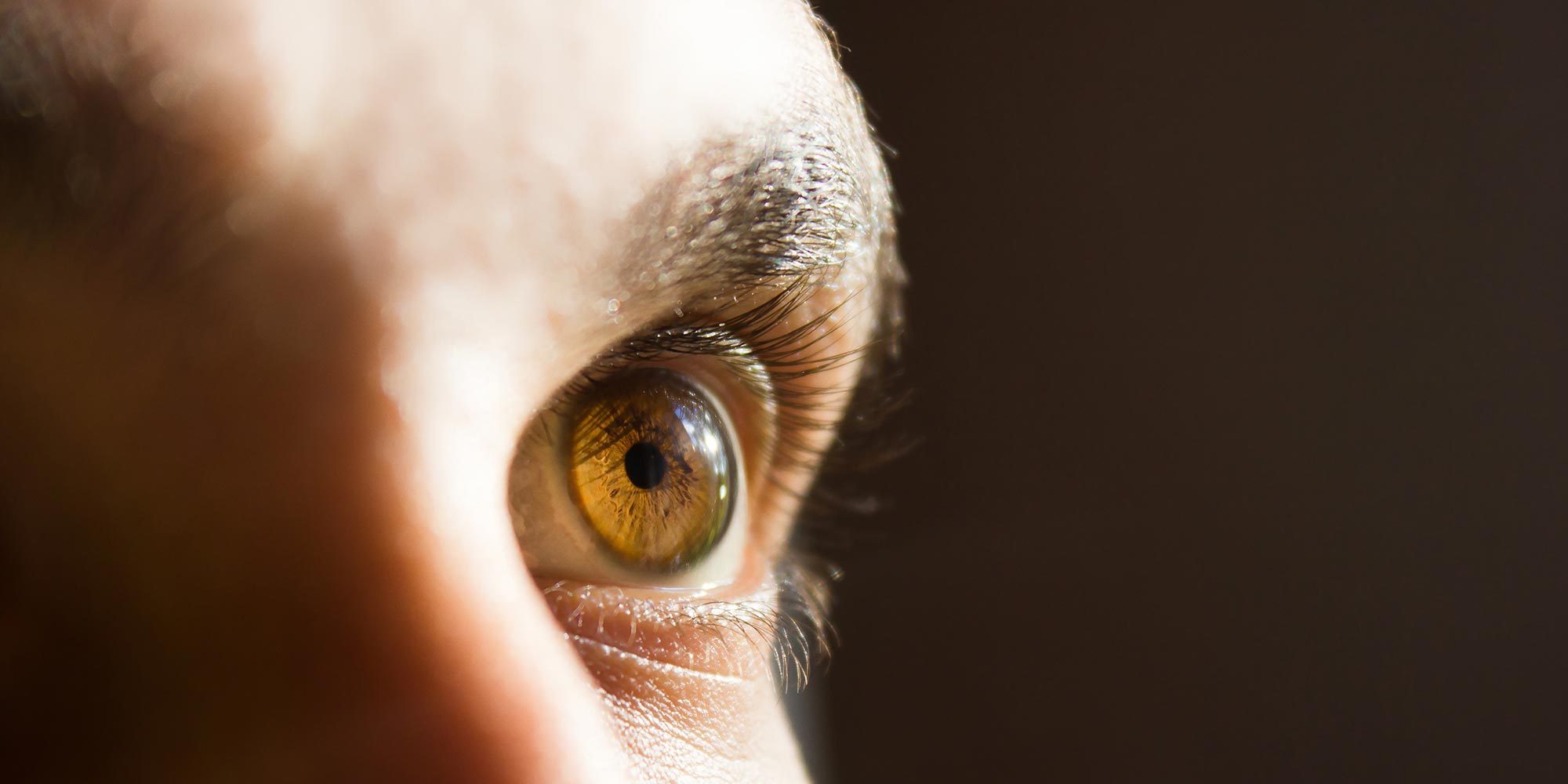
Table of Contents
Key Points
- Multiple Potential Causes: Dilated pupils can have many causes, including lighting, emotions, medications, and drugs, so pupil size by itself is not diagnostic.
- Drug Category Links: Several drug categories are linked with pupil dilation, but understanding the biological reason can reduce fear and guide safer next steps.
- Emergency Warning Signs: Certain warning signs, such as sudden dilation or accompanying neurological symptoms, mean it is important to seek medical care right away.
- Biological Mechanisms: Drugs affect pupil size by altering the autonomic nervous system, which acts like a "gas and brake" system for eye muscles.
- Available Support Options: Compassionate, evidence-based treatment options are available in Massachusetts for those who may be struggling with substance misuse or addiction.
What Are Dilated Pupils (Mydriasis)?
Pupil dilation, also called mydriasis, means the dark center of the eye becomes larger than usual. Your pupils naturally adjust their size based on the amount of available light; they typically widen in low light or during strong emotions like excitement or fear. While drugs are one possible cause for this expansion, they are not the only explanation. According to guidance from the Cleveland Clinic, pupil changes can happen for many everyday reasons [1].
The pupil acts like a camera aperture. It opens wider to let in more light and becomes smaller to protect the eye from brightness. When pupils are dilated, they appear larger and allow more light into the eye. This is considered normal in dim lighting or during moments of emotional arousal. However, dilation may be considered abnormal when it is persistent, unexplained, or unequal between the eyes [2].
A simple way to think about pupil changes is:
- Dilated pupils: Larger, often seen in low light or with certain drugs or medications.
- Constricted pupils: Smaller, often seen in bright light or with some substances like opioids.
- Unequal pupils: One pupil is larger than the other, which may indicate the need for further evaluation [3].
If dilation is sudden, severe, or paired with concerning symptoms such as confusion or vision changes, it is essential to seek urgent medical care for safety and peace of mind.
What Drugs Cause Pupil Dilation?
Many substances can affect pupil size by altering nerve signals to the muscles of the iris. These signals are part of the autonomic nervous system, which helps regulate automatic body functions.
Stimulants
Stimulants are a category of drugs that most commonly cause pupil dilation. Examples include cocaine, methamphetamine, and amphetamines, including some ADHD medications like Adderall. People may also notice general signs such as restlessness, sweating, or a faster heart rate, though these experiences vary tremendously from person to person. Individual responses depend heavily on the specific drug and the person’s unique metabolism [4].
Hallucinogens and Psychedelics
Substances such as LSD, psilocybin, and mescaline are known to affect perception and nervous system activity. Pupil dilation is frequently reported during their effects, together with visual changes and altered sensory experiences, including auditory or tactile perception [5].
Antidepressants and Other Psychiatric Medications
Some antidepressants, including SSRIs and SNRIs, as well as other psychotropic medications, can cause pupil dilation in some people. This does not happen to everyone and is usually discussed as a possible side effect rather than a dangerous reaction. Anyone experiencing new or bothersome symptoms should talk with their prescribing physician [2].
Anticholinergic Medications and Substances
Anticholinergic drugs can block acetylcholine, a chemical messenger involved in pupil constriction. When this signal is blocked, the muscles that would normally shrink the pupil are inhibited, causing it to remain wide. Examples often referenced in clinical settings include atropine and scopolamine [1].
Dilating Eye Drops Used for Exams
Ophthalmologists routinely use mydriatic eye drops during examinations. These drops cause the pupils to dilate temporarily, making it easier for the physician to see into the eye. Because of this effect, light sensitivity and blurred near vision are common for several hours after administration [2].
Cannabis
Some people report experiencing dilated pupils with cannabis use; however, this effect is variable and not consistent for everyone. It is best to consider pupil dilation from cannabis as a possible effect rather than a guaranteed one [6].

Important Comparison: Drugs That Constrict Pupils
It is helpful to contrast dilation with its opposite. Opioids such as heroin and some prescription pain medications are classically associated with constricted or “pinpoint” pupils, known in medical terms as miosis. This contrast helps reduce confusion when people ask what drugs make your pupils big versus small [3].
| Condition | Common Substances | Appearance |
| Dilation (Mydriasis) | Stimulants, hallucinogens, and some medications | Large, wide pupils |
| Constriction (Miosis) | Opioids (Heroin, prescription pain meds) | Small, pinpoint pupils |
| Variable | Cannabis, mixed medication effects | Depends on the individual |
Why Do Some Drugs Affect Eye Size?
The autonomic nervous system regulates the iris through two main branches, often compared to the pedals of a car.
The “Gas and Brake” System
- The Sympathetic Branch (Gas Pedal): This branch stimulates the production of neurotransmitters that dilate the pupil during alertness, stress, or a “fight or flight” response.
- The Parasympathetic Branch (Brakes): This branch governs the constriction of the pupil when the body is at rest.
Two Common Pathways
- Sympathetic Stimulation: Many stimulants increase sympathetic activity, leading to increased pupillary dilation [4].
- Parasympathetic Blockade: Anticholinergic medications block the signal that causes the pupil to constrict, also resulting in dilation.
Why Light Sensitivity Happens
When pupils are dilated, they allow more light into the eye than is necessary for the current environment. This can cause discomfort or strain in bright surroundings. The best ways to help reduce this strain are by wearing sunglasses while outside, avoiding driving if your sight feels impaired, and checking in with your prescriber if your medication appears to be responsible.
Other Causes of Dilated Pupils (Not Drugs)
Not all dilated pupils are related to drug use. Recognizing these non-drug factors helps mitigate false conclusions and supports compassionate dialogues.
- Dim Lighting: The eyes naturally dilate to see better in the dark.
- Emotional Arousal: Excitement, fear, or attraction can cause temporary dilation.
- Medical Conditions: Migraines, head or brain injury, and certain neurological disorders can affect pupil size.
- Physical Trauma: Eye trauma or injury can result in persistent dilation [7].
When to Seek Immediate Medical Care
It is important to seek urgent help if dilated pupils appear suddenly, especially if they are unilateral (affecting only one eye). An immediate medical evaluation is necessary if dilation occurs together with:
- A sudden and severe headache, confusion, or weakness.
- Fainting or trouble speaking (slurred speech).
- Head or eye trauma.
- One pupil is larger than the other with vision changes or a drooping eyelid.
These findings are about safety and require professional assessment to rule out serious neurological issues.
If You Suspect Substance Use: Practical Next Steps
Find Patterns, Not Individual Indicators
When people search for “what drugs cause dilated pupils,” they are often looking for certainty regarding a loved one. However, pupil size alone is not a reliable sobriety test. Changes related to substance use usually appear as clusters of behaviors and physical signs rather than one single feature [6].
Informative combinations may include:
- Sleep disturbances or significant changes in energy levels.
- Mood swings or sudden shifts in personality.
- Increased secrecy or social withdrawal.
- Declines in school or work functioning.
How to Start the Conversation
Approach loved ones with care and curiosity rather than accusation. Using a non-judgmental tone can open the door for dialogue. For example: “I have observed that you appear to be under a considerable amount of stress, and I’m concerned about you.”
Treatment Options in Massachusetts
At New Wave Recovery in Salisbury, MA, care is built around evidence-based therapeutic approaches and holistic support. We provide options for treatment that include:
- Medical Detox: When healthcare professionals help patients manage withdrawal symptoms safely using medication and other interventions.
- Flexible Programs: Both full-day and half-day treatments, as well as outpatient programs.
- Evidence-Based Therapy: Cognitive behavioral therapy (CBT, a form of talk therapy that focuses on identifying and changing unhelpful behaviors) and dialectical behavior therapy (DBT, a form of talk therapy that helps people manage intense emotions and behaviors).
- Holistic Recovery: Services designed to treat the whole person, not just the symptoms.
Treatment for alcohol and drug use is designed to meet individuals where they are on their road to recovery with dignity, hope, and support. If you believe your health or well-being is at risk due to addiction, call New Wave Recovery today for a private assessment and information about options in Massachusetts.
Frequently Asked Questions







Our Commitment to Clinical Integrity
At New Wave Recovery, we're committed to ensuring the clinical integrity of our resources so people can access accurate information needed for healing. That is why we have a multi-step review process in place that includes subject matter experts and medical professionals. Every one of our resources is created with evidence-based information sourced from peer-reviewed research and other reputable medical organisations. In addition, we always strive to use person-first, stigma-free language to allow readers to feel safe, respected, and empowered along every step of their recovery journey.
Read More About Our Process
Transportation Assistance
We understand that transportation can be a barrier to accessing treatment. Our team can help coordinate transportation options for clients throughout our service area.